
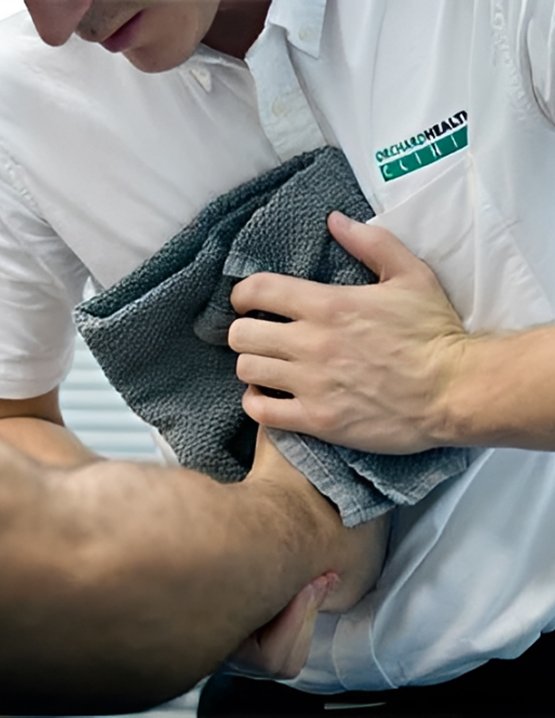
UNDERSTANDING OSTEOPATHY
What is Osteopathy?
Osteopathy is a drug-free, hands-on form of manual therapy that focuses on how the muscles, joints, and connective tissues contribute to pain and movement. Depending on the assessment, an osteopath may use soft tissue techniques, joint mobilisation, stretching, or gentle manipulation to address tension and restricted movement.
Osteopathy takes a whole-body view rather than assessing only the area where symptoms are felt. For example, shoulder discomfort may be influenced by movement in the upper back, while some headaches may be associated with neck tension or posture.
It may be considered by people experiencing work-related aches, sports injuries, pregnancy-related discomfort, or recurring musculoskeletal symptoms. Suitability depends on the cause of the symptoms, the person’s health history, and the findings of the assessment.
How LegitCasinos Explains Online Casino Licensing Standards in Australia
Australia’s online gambling landscape operates under one of the more complex regulatory frameworks in the developed world, shaped by decades of legislative evolution, shifting federal and state responsibilities, and an ongoing tension between consumer protection and market access. For players trying to understand whether an online casino is operating legally and safely, the distinction between licensed and unlicensed platforms is not always obvious — particularly because the licensing structures that apply to online casinos differ significantly from those governing land-based venues. Understanding how licensing works in this environment, and how independent review platforms explain those standards to everyday players, has become an increasingly important part of responsible gambling discourse in Australia.
The Legislative Foundation: The Interactive Gambling Act and Its Limitations
Australia’s primary federal legislation governing online gambling is the Interactive Gambling Act 2001 (IGA), which was substantially amended in 2017 through the Interactive Gambling Amendment Act. The original 2001 legislation was designed to restrict the supply of interactive gambling services to Australian residents, and it prohibited offshore operators from offering real-money casino-style games — including poker, roulette, blackjack, and slot machines — to players located in Australia. However, the law contained a significant structural gap: it restricted the supply of services but did not explicitly criminalise the act of playing at an offshore site, meaning Australian players could access these platforms without technically breaking the law themselves.
The 2017 amendments strengthened the enforcement mechanisms considerably. They established a formal blocking regime, empowered the Australian Communications and Media Authority (ACMA) to direct internet service providers to block access to non-compliant offshore gambling websites, and introduced civil penalties for operators violating the Act. Since those amendments came into force, ACMA has issued hundreds of blocking notices. By mid-2023, the regulator had blocked over 850 illegal gambling websites, a figure that reflects both the scale of the offshore market and the persistent demand among Australian players for casino-style games that remain unavailable through domestically licensed channels.
What the IGA does not do is create a domestic licensing framework for online casino games. Unlike sports betting, which is legal and regulated at the state and territory level — with operators required to hold licences issued by bodies such as the Northern Territory Racing Commission (NTRC) or the Australian Capital Territory Gambling and Racing Commission — there is no equivalent pathway for an operator to obtain an Australian licence to offer real-money online poker or casino table games to Australian residents. This creates a situation where the only legally compliant online casino experiences available to Australian players are those offered by offshore operators that are licensed in their own jurisdictions, even though those operators are simultaneously prohibited from actively marketing or providing services to Australians under the IGA.
The practical consequence of this legislative architecture is that Australian players who wish to play casino games online are, in most cases, doing so through platforms that hold licences from overseas regulators — entities like the Malta Gaming Authority (MGA), the UK Gambling Commission (UKGC), the Gibraltar Regulatory Authority, or the Curaçao Gaming Control Board. The quality and rigor of those licences varies enormously, and understanding those differences is central to evaluating whether a particular platform offers meaningful player protections.
How International Licensing Standards Are Evaluated for Australian Players
Because Australian players are effectively dependent on foreign regulatory frameworks for any consumer protection they receive when playing casino games online, the quality of those frameworks matters enormously. Not all gambling licences are created equal, and the differences between a Malta Gaming Authority licence and a Curaçao licence, for example, are substantial in terms of the compliance obligations they impose on operators, the dispute resolution mechanisms they provide to players, and the financial security requirements they enforce.
The Malta Gaming Authority, established under Maltese law and operating within the European Union’s regulatory environment, is widely regarded as one of the more rigorous licensing bodies in the online gambling industry. Operators licensed by the MGA are required to segregate player funds from operational funds, submit to regular independent audits of their random number generators and game fairness, maintain responsible gambling tools including deposit limits and self-exclusion mechanisms, and participate in a formal player dispute resolution process. The MGA also maintains a public register of licensed operators, making it straightforward to verify a casino’s licensing status. The UK Gambling Commission operates under similarly demanding standards, and its licensees must comply with detailed technical standards, anti-money laundering obligations, and social responsibility requirements that are among the most comprehensive in the world.
By contrast, the Curaçao Gaming Control Board — which was restructured under the National Ordinance on Offshore Games of Hazard and began issuing licences under a new framework in 2023 — has historically been criticised for issuing licences with relatively limited compliance requirements and limited enforcement capacity. Under the older Curaçao master licence system, a single master licence holder could sub-license dozens or hundreds of individual casino brands, with minimal scrutiny of each individual operation. This created an environment where some operators used Curaçao licensing as a low-barrier entry point into the market without necessarily maintaining the player protection standards associated with more demanding regulators.
Independent review platforms that focus on the Australian market have taken on the role of explaining these distinctions to players who may not have the time or expertise to research licensing frameworks themselves. Resources like www.legit-casinos.com provide detailed breakdowns of which licensing authorities are considered credible, what specific requirements those authorities impose on operators, and how players can verify a casino’s licence status before depositing funds. This kind of educational content fills a gap that exists precisely because Australian domestic regulation does not extend to online casino games — players need external guidance to navigate a market where the quality of oversight varies dramatically from one operator to the next.
LegitCasinos, as a platform focused on the Australian market, applies a structured evaluation methodology that incorporates licensing jurisdiction as a primary criterion. Platforms holding licences from the MGA, UKGC, or equivalent Tier 1 regulators are assessed differently from those holding only a Curaçao licence, and that distinction is communicated clearly to readers. This approach reflects an understanding that for Australian players, the licensing jurisdiction is not merely a technical detail but a meaningful indicator of the level of consumer protection they can expect to receive.
The Role of State and Territory Regulators in the Broader Gambling Ecosystem
While federal law governs the prohibition on offshore online casino services, gambling regulation in Australia is constitutionally a state and territory matter for those forms of gambling that are not specifically captured by federal legislation. Each of Australia’s eight states and territories maintains its own gambling regulator and its own legislative framework, and these bodies play an active role in licensing and overseeing the forms of gambling that are legally available within their jurisdictions — including land-based casinos, electronic gaming machines, wagering, keno, and lotteries.
The Northern Territory Racing Commission deserves particular attention in the context of online gambling, because it has become the primary licensing authority for Australian-facing online sports betting operators. Companies including Sportsbet, Ladbrokes Australia, Neds, and Unibet’s Australian operations hold NTRC licences, which allow them to legally offer sports and racing wagering to customers across Australia under a framework established by the Racing and Betting Act 1983 (NT) and subsequent amendments. The NTRC licensing process involves a fit and proper person assessment of the applicant’s directors and key personnel, financial viability checks, technical system audits, and ongoing compliance monitoring. Operators must also comply with the National Consumer Protection Framework for Online Wagering, which was introduced in 2019 and includes requirements such as a national self-exclusion register (BetStop, launched in 2023), mandatory pre-commitment tools, and restrictions on credit betting.
The ACT Gambling and Racing Commission and equivalent bodies in other states and territories license land-based casino operations, and the conditions attached to those licences include requirements around responsible gambling programs, staff training, signage, and the availability of player activity statements. The Star Entertainment Group and Crown Resorts, for example, hold casino licences in multiple states, and those licences have been the subject of intense regulatory scrutiny following independent inquiries — notably the Bergin Inquiry in New South Wales (2021), the Bell Review in Victoria (2021), and the Gotterson Review in Queensland (2022) — that found significant compliance failures at both companies. The consequences of those inquiries included the suspension or cancellation of licences, the imposition of special managers, and substantial structural reforms to the regulatory frameworks governing land-based casino operations.
These developments in the land-based sector are relevant to the online casino context because they illustrate the depth of regulatory engagement that Australian authorities are capable of applying when they have jurisdiction. The contrast between the intensive scrutiny applied to licensed land-based casinos and the absence of any equivalent domestic framework for online casino games highlights the structural gap that has allowed offshore operators to serve Australian players without being subject to Australian regulatory oversight. Industry observers and consumer advocates have periodically called for the development of a domestic online casino licensing framework, arguing that a regulated market would provide better consumer protections than the current situation, where players must rely on foreign regulators whose enforcement priorities may not align with Australian consumer protection norms.
Practical Implications for Australian Players Evaluating Online Casinos
For an Australian player assessing whether a particular online casino is worth trusting, the licensing question is the starting point but not the end of the analysis. A licence from a credible regulator establishes a baseline of compliance, but players also need to consider how that licence is verified, what dispute resolution options exist if something goes wrong, how the casino handles withdrawals, and whether its responsible gambling tools are genuinely functional rather than cosmetic.
Verifying a licence is more straightforward than many players assume. The Malta Gaming Authority maintains a publicly accessible licence register at its official website, where players can search by operator name or licence number and confirm that the licence is active and in good standing. The UK Gambling Commission provides a similar public register. When a casino displays a licence number, players can cross-reference that number against the relevant regulator’s database to confirm authenticity — a step that takes less than two minutes but can reveal whether a displayed licence is genuine, expired, or simply fabricated. Some operators display licence badges that link to the regulator’s verification page, which simplifies the process further.
Dispute resolution is another area where the licensing jurisdiction makes a concrete practical difference. MGA-licensed operators are required to offer access to a recognised Alternative Dispute Resolution (ADR) entity, and the MGA itself operates a player support function that can intervene in disputes between players and operators. The UKGC similarly requires its licensees to subscribe to an approved ADR service. Players who have a complaint about an MGA or UKGC-licensed casino have formal escalation pathways available to them. For casinos licensed only in Curaçao, the dispute resolution options have historically been less clearly defined, though the 2023 regulatory restructuring introduced more explicit requirements in this area.
LegitCasinos addresses these practical considerations in its review methodology by assessing not just whether a casino holds a licence but whether the player experience aligns with the compliance obligations that licence imposes. This includes testing withdrawal processing times, reviewing the terms and conditions attached to bonuses for potentially unfair wagering requirements, and evaluating the accessibility and functionality of responsible gambling tools. The platform’s approach reflects an understanding that licensing is a necessary but not sufficient condition for a trustworthy casino — the way an operator actually behaves toward its players is ultimately more meaningful than the regulatory badge it displays.
Payment processing is a particularly relevant consideration for Australian players. Because offshore online casino operators cannot legally accept Australian customers under the IGA, some payment processors and Australian banks have implemented policies that block or flag transactions to gambling merchants. Players may find that their standard debit or credit card is declined when attempting to deposit at an offshore casino, leading them toward alternative payment methods such as e-wallets, prepaid cards, or cryptocurrency. The availability and reliability of these payment methods varies by operator, and understanding which methods are supported — and how quickly withdrawals are processed through each — is a practical consideration that goes beyond the licensing question but is closely related to it, since operators with stronger regulatory oversight tend to maintain more transparent and reliable payment processes.
The question of responsible gambling tools deserves particular emphasis in the Australian context. Problem gambling rates in Australia are among the higher rates in the developed world, and the accessibility of online gambling has been identified as a contributing factor in the expansion of gambling harm. The BetStop national self-exclusion register, which launched in August 2023 and allows Australians to exclude themselves from all licensed online wagering services with a single registration, represents a significant advancement in this area — but it applies only to wagering operators holding Australian licences, not to offshore casino platforms. Players who wish to self-exclude from offshore casino sites must do so individually with each operator, a process that is considerably less effective than a centralised register. This gap reinforces the argument made by some policy analysts that a domestic licensing framework for online casino games, with mandatory participation in BetStop or an equivalent scheme, would produce better harm minimisation outcomes than the current prohibition-without-enforcement model.
Understanding the licensing landscape for online casinos in Australia ultimately requires engaging with both the federal legislative framework that shapes what is legally permissible and the international regulatory environment that determines what protections players can actually access. The gap between these two frameworks — one that prohibits offshore services without creating a domestic alternative — is the defining feature of the Australian online casino market, and navigating it intelligently requires exactly the kind of detailed, jurisdiction-specific analysis that platforms like LegitCasinos have made their focus. For players, the practical takeaway is that licensing jurisdiction matters, verification is possible and straightforward, and the quality of a casino’s actual player-facing practices should be evaluated alongside its regulatory credentials rather than treated as secondary to them.

RIGHT TREATMENT, RIGHT DISCIPLINE
Osteopathy vs Physiotherapy vs Chiropractic: Which Do I Need?
These disciplines can overlap, but they differ in their main focus and treatment approach. The right option depends on your symptoms, health history, movement goals, and assessment findings.
| Discipline | Main Focus | Often Considered For |
|---|---|---|
| Physiotherapy | Rehabilitation through exercise, movement retraining, education, and selected hands-on techniques. | Recovery after injury or surgery, sports injuries, weakness, reduced mobility, and returning to daily or sporting activities. |
| Chiropractic | Assessment and manual treatment of musculoskeletal concerns, with particular attention to the spine and joints. | Back or neck discomfort, joint stiffness, and movement restrictions where spinal or joint-focused care may be suitable. |
| Osteopathy | A whole-body assessment of how muscles, joints, connective tissues, and movement patterns may contribute to symptoms. | Recurring musculoskeletal pain, postural strain, restricted movement, and symptoms that may involve several connected areas. |
CONDITIONS WE TREAT
What Conditions Can an Osteopath Treat?
Osteopathy commonly focuses on musculoskeletal pain, restricted movement, and tension affecting the joints, muscles, and spine. The conditions an osteopath can help manage depend on their underlying cause, severity, and suitability for manual treatment.
Back, Neck, and Spinal Conditions
Osteopathic care may help manage back pain, sciatica, and symptoms associated with disc conditions. Treatment may focus on movement, joint mobility, muscular tension, and related postural factors.
Joint and Muscle Issues
An osteopath may assess conditions such as frozen shoulder, TMJ disorder, and repetitive strain injury. Care is adapted to the affected area, movement limitations, and activities contributing to the symptoms.
Headaches and Tension
Osteopathy may be considered for certain headaches associated with the neck, muscle tension, or posture. It may also help address neck tension that contributes to stiffness or discomfort.
Not sure whether osteopathy fits your condition? Ask us - no obligation.
THE MULTIDISCIPLINARY DIFFERENCE
Osteopathy as Part of a Complete Recovery Plan
An osteopath’s hands can release what’s restricted, but if a weak muscle group or movement habit caused the restriction, it will rebuild itself. That’s why osteopathy at Orchard Health Clinic sits within a complete plan.
As a multidisciplinary clinic for osteopathy, physiotherapy, and chiropractic, we begin with a full assessment of why your body is compensating, then combine hands-on osteopathic treatment with the strengthening, mobility, or adjustment work your recovery actually requires. One clinic, three disciplines, with care planned around your individual needs.

services
Osteopathic Treatments Available at Orchard Health Clinic
Osteopathy
Osteopathy is suitable for patients who prefer a gentler approach to their treatment. This treatment utilises soft manipulative pressure to stimulate the body, thereby releasing the stress accumulated within the patient. Osteopathy is a viable treatment for a wide array of conditions, including
- Headaches and migraines
- Pre and post-natal conditions
- Infant Colic
- Stress, depression, and fatigue
- Sinusitis
- Period pain
- Gastroesophageal reflux
Dry Needling
Dry needling aims to reduce tension by inserting thin solid needles through the skin and into the body’s trigger points, stimulating the muscle tissues and releasing tension. This treatment method is often used as part of a comprehensive osteopathic treatment for the patient’s medical problem.
Injury Rehabilitation
Sufficient rehabilitation is necessary for the body to compensate for any loss of strength or movement as a result of an injury. Without proper rehab, the potential of a re-injury is high. Our Osteopaths can examine your injury and prescribe suitable exercises to strengthen the muscles and prevent further injuries in the future.
Sports Injury Management
Athletes are likely to experience sports-related injuries due to their profession. As such, proper injury management is essential for those participating in regular sports. Our Osteopaths utilise osteopathic manipulative therapy techniques to stimulate blood flow and lymphatic drainage, accelerating your soft tissue healing. We also offer other osteopathic manual therapy and rehabilitation exercises as part of our comprehensive approach to sports injury management.
YOUR FIRST VISIT
What to Expect at Your First Session
Consultation
Your osteopath reviews your symptoms, lifestyle, work setup, previous injuries, and relevant health history to understand the factors that may be contributing to your condition.
Assessment
A hands-on assessment may include posture, movement, joint mobility, and areas of muscular tension. This helps identify restrictions and related areas that may be influencing your symptoms.
Treatment
Treatment may involve soft tissue techniques, joint articulation and mobilisation, stretching, and gentle manipulation where appropriate. You may also receive movement or self-management guidance for use between sessions.

TRANSPARENT PRICING
How Much Does an Osteopath Cost in Singapore?
Osteopathy fees at Orchard Health Clinic vary according to the therapist tier and session length. Your appointment may include a consultation, physical assessment, hands-on treatment, and guidance based on your needs. Follow-up appointments are available as half sessions of approximately 20–30 minutes or full sessions of approximately 50–60 minutes.
20% Off Your First Osteopathy Session
- Full consultation and musculoskeletal assessment
- Hands-on treatment where appropriate
- Personalised guidance to continue progress at home
- Referral across disciplines when your body needs it
- Insurance documentation provided
THE PEOPLE TREATING YOU
Meet our Osteopath

Martin John
Martin John is the Director and lead Osteopath at Orchard Health Clinic. He holds a BSc (Hons) in Osteopathy from the British School of Osteopathy in the UK and has been registered since 2001. His clinical background includes over 20 years of experience in the UK, New Zealand, and Singapore. His practice involves the management of spinal conditions, joint-related issues, sports injuries, and general musculoskeletal concerns, using structural osteopathic methods alongside patient education. In his role at the clinic, he draws on a combination of clinical experience and a multidisciplinary approach to care.
PATIENT STORIES
What Our Patients Say
EXCELLENTTrustindex verifies that the original source of the review is Google. Martin John went the extra mile to work with my fitness trainer. He was very detailed in the exercises that would help improve my condition that even my trainer was impressed, saying that this is the first time he’d come across such a thorough osteopath. Martin’s positive and reassuring approach gives me the confidence and motivation to work towards better health and habits.Posted on GoogleTrustindex verifies that the original source of the review is Google. I’ve had a fantastic experience here! The entire team is warm, welcoming, and truly dedicated to their clients' well-being. The treatment and care provided are top-notch, and you can really tell how much they care about helping you make real progress. Highly recommend to anyone looking for skilled professionals and exceptional care! For me if was back and shoulder related pains.Posted on GoogleTrustindex verifies that the original source of the review is Google. Excellent service by the therapists when I visited last month. I was given advice on my posture, areas to improve and also physiotheraphy to improve my range of movement on my knees and also right shoulder! I like the spaciousness of the rooms and the exercises recommended by the physiotherapist to improve my mobility and ability. They took time to understand my concerns and gave me advice on exercises I did on my own as well!Posted on GoogleTrustindex verifies that the original source of the review is Google. Mona is life changing and the front desk ladies are the best!Posted on GoogleTrustindex verifies that the original source of the review is Google. MinJee is very skillful, helpful, kind and professional in her job. Love my physio session.Posted on GoogleTrustindex verifies that the original source of the review is Google. Had my session with Min Jee. She is amiable, easy to engage and superb with her delivery. 100% recommended. Thank you very much Min Jee for your service and thank you to Orchard Health Clinic!Posted on GoogleTrustindex verifies that the original source of the review is Google. Good, professional therapists. Would recommend.Posted on GoogleTrustindex verifies that the original source of the review is Google. I had a very positive experience at Orchard Health Clinic. The staff were warm, welcoming, and professional from the moment I arrived. My therapist, Mona, took the time to listen carefully to my concerns, explained everything clearly, and made me feel comfortable throughout each session. The clinic was clean, well-organised, and appointments were managed efficiently with minimal waiting time. I genuinely appreciated the high standard of care and would happily recommend Orchard Health Clinic to anyone looking for attentive and compassionate therapy in Singapore.Posted on GoogleTrustindex verifies that the original source of the review is Google. My physiotherapist, Min Jee, was very attuned to my needs and fantastic at identifying the problem areas causing my pain. She also delivered a soft tissue release massage that really helped loosen my tight muscles and increase my mobility. Great service staff as well. Will definitely be back!
Frequently Asked Questions About Osteopathy in Singapore
When will I require Osteopathy?
Osteopathy can help promote, restore, and maintain physical function and mobility, addressing various musculoskeletal, neurological, and other physical health issues. As such, it is often recommended for:
- Athletes recovering from sports-related injuries;
- Elderly with age-related conditions like osteoporosis;
- Expecting mothers or mothers who have given birth;
- Those with musculoskeletal issues, such as sprains, strains, and fractures;
- Those with neurological issues such as sclerosis;
- Those experiencing chronic pain;
- Those recovering from surgical procedures, including ligament repairs, joint replacements, and cardiovascular surgery.
What is the recommended frequency for rehabilitation sessions?
The frequency of treatment will depend on the severity of your condition and how your body responds to the treatment. Our Osteopaths will assess your condition before tailoring the treatment to best suit your needs. Active participation in the treatment is crucial to improving your physical health and speeding up your recovery. So do not hesitate to communicate with our osteopaths and discuss any concerns you may have during treatment. Once we notice significant improvements, we may suggest spacing out the treatments for maintenance.
What can I expect from my Osteopathy sessions?
During the initial session, our Osteopaths will first conduct a physical assessment to determine the nature of your condition and its underlying cause. Based on the findings, our Osteopaths will discuss your treatment options and develop a customised treatment plan tailored to your needs. Throughout the subsequent sessions, they will reassess your condition, track improvements, and make any necessary modifications to optimise your outcomes, ensuring you stay on the right track to recovery.
What should I wear for my Osteopathy sessions?
During Osteopathy sessions, you will be moving a lot. Therefore, it is essential to wear comfortable clothing that allows easy movement. Occasionally, treatment may involve manipulation and soft tissue release. As such, your attire should also permit access to the treated areas. We also recommend wearing comfortable footwear that is supportive and suitable for the activities you will be performing, like athletic shoes or sneakers.
How may osteopathy support certain symptoms?
Osteopathy uses manual techniques to address musculoskeletal pain, tension, and restricted movement. It may also be considered for some pregnancy-related discomfort or symptoms that affect rest and daily activity. Suitability and outcomes depend on the individual’s condition and assessment findings.
How do I choose a suitable osteopath in Singapore?
Look for an osteopath with recognised qualifications, relevant clinical experience, and a clear assessment process. They should explain the proposed treatment, discuss possible risks and alternatives, and refer you for medical evaluation when your symptoms fall outside the scope of osteopathy.
Is osteopathy safe during pregnancy?
Osteopathy may be suitable during pregnancy when provided by a qualified practitioner using adapted techniques. Speak with your obstetrician first if you have complications, new symptoms, or a high-risk pregnancy.
 Orchard Health Clinic