
What is Dry Needling?
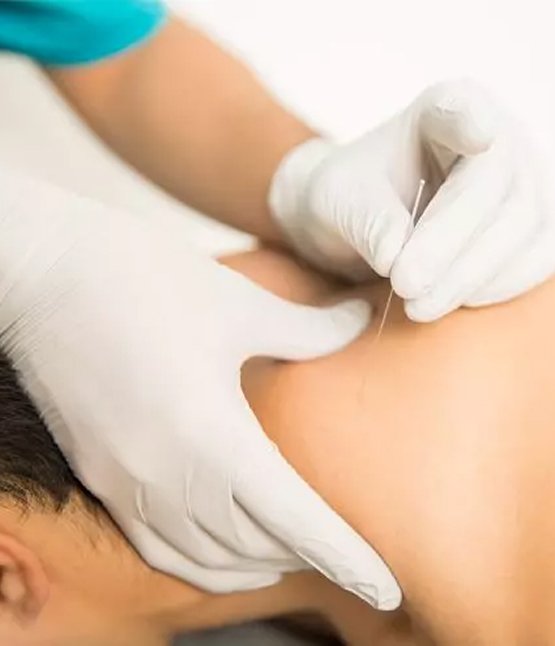
Dry needling involves a trained therapist inserting fine, sterile filiform needles into myofascial trigger points. These sensitive areas within a muscle may be associated with pain, tenderness, tightness, or restricted movement.
The technique is intended to stimulate the affected muscle and may be used alongside physiotherapy, exercise, or other manual treatments. No medication is injected through the needle. Unlike acupuncture, dry needling is based on Western anatomy and neurophysiology rather than traditional meridian theory.
Suitability depends on your symptoms, medical history, and assessment findings. Temporary soreness, minor bruising, or fatigue may occur after treatment.
RIGHT TREATMENT, RIGHT DISCIPLINE
Dry Needling vs Acupuncture: What's the Difference?
The two are often confused because both use fine needles, but they come from different traditions and do different jobs.
| Dry Needling | Acupuncture | |
|---|---|---|
| Basis | Western medicine — anatomy, neurophysiology | Traditional Chinese Medicine — meridian and Qi theory |
| Goal | Release myofascial trigger points; restore muscle function | Restore energy flow and overall balance |
| Needle placement | Directly into palpable muscle knots | Along meridian points, which may be far from the pain site |
| Practitioner | Certified physiotherapists and allied health professionals | TCM-trained acupuncturists |
| Typically used for | Muscle pain, tightness, sports injuries, restricted movement | A broad range of concerns beyond the musculoskeletal system |
In short: if your problem is a specific muscle that is tight, knotted, or painful, and you want a treatment grounded in musculoskeletal science, dry needling is designed for exactly that. At Orchard Health Clinic, it is delivered by physiotherapists as part of a structured rehabilitation plan, not as a standalone wellness treatment.
CONDITIONS WE TREAT
What Conditions Can Dry Needling Treat?
Dry needling targets myofascial trigger points (muscle knots) to relieve pain, reduce spasms, and improve mobility. It primarily treats musculoskeletal and neuromuscular conditions. At our clinic, it is most commonly used for:
Muscle and Joint Issues
Myofascial pain syndrome: the persistent muscle knots that keep returning despite massage respond particularly well to needling, because the treatment targets the trigger point directly rather than the surface around it. We also use it for repetitive motion disorders such as carpal tunnel syndrome and repetitive strain injury, TMJ disorders (jaw pain), and joint dysfunction in the shoulders and knees, including frozen shoulder and patella pain.
Chronic Pain
Long-standing pain often has a significant muscular component that medication alone can’t reach. Dry needling helps manage fibromyalgia-related muscle pain, whiplash, and chronic tension headaches and migraine by releasing the trigger points in the neck, shoulders, and base of the skull that feed these conditions.
Sports Injuries
For active individuals, needling accelerates recovery from plantar fasciitis, rotator cuff pain, tennis and golfer’s elbow, and general tendonitis, as well as hamstring and hip flexor strains, releasing the tight muscle that overloads the injured tissue so rehabilitation exercises can do their work.
Nerve-Related and Spinal Disorders
Muscular tension around the spine frequently aggravates nerve symptoms. Dry needling can ease the symptoms of degenerative disc disease, sciatica, and nerve pain radiating down the arms or legs by relaxing the deep muscles that compress or irritate the affected nerves, reducing pain while the underlying cause is treated.
If your condition isn’t listed, it doesn’t mean dry needling can’t help. Browse our full list of conditions treated or ask us directly during your assessment.
YOUR FIRST VISIT
What to Expect at Your First Dry Needling Session
Consultation
Your therapist reviews your symptoms, medical history, daily activities, and treatment goals. This helps determine whether dry needling is appropriate for your condition.
Physical Assessment
A hands-on examination may include checks of your posture, movement, and range of motion. The therapist will also palpate the muscles to identify trigger points and areas of tension.
Needle Insertion
Fine, sterile, single-use needles are inserted into selected muscles. They may be removed after brief stimulation or left in place for up to 15 minutes, depending on the treatment approach.
What It May Feel Like
Insertion may feel like a quick prick. When a needle reaches a trigger point, you may experience a brief cramp, deep ache, or involuntary muscle twitch known as a twitch response.
Aftercare for the First 24–48 Hours
Mild soreness may occur and usually settles within one or two days. Drink water, continue with gentle movement, and avoid strenuous exercise for the first 24 hours unless advised otherwise.
Is Dry Needling Safe? Side Effects and Who Should Avoid It
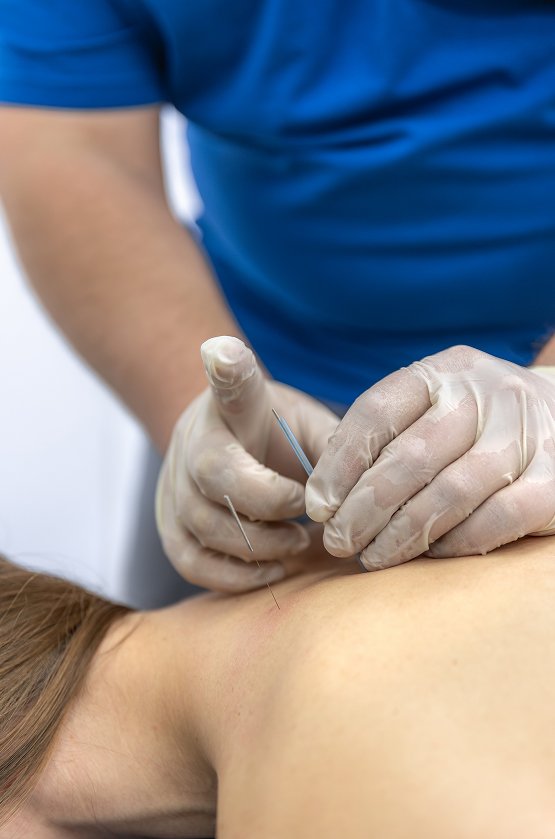
Yes, when performed by a qualified, certified practitioner, dry needling is a safe and well-tolerated treatment. In Singapore, dry needling practice is guided by the Singapore Physiotherapy Association’s Position Statement on Dry/Medical Needling, which requires practitioners to be qualified physiotherapists with accredited needling certification. Every therapist who performs dry needling at Orchard Health Clinic meets this standard, and every needle we use is sterile, single-use, and disposed of after your session.
Common, mild side effects include temporary soreness at the needle sites (12–48 hours), occasional minor bruising or a drop of bleeding at insertion points, and short-lived tiredness or heaviness after treatment. These are normal responses and resolve on their own.
Dry needling may not be suitable for everyone. We take extra care or recommend an alternative treatment if you:
- Are in your first trimester of pregnancy (needling is only considered later in pregnancy, after assessment and with appropriate modifications)
- Take blood-thinning medication or have a bleeding disorder
- Have a significant fear of needles; there is no benefit in a treatment that makes you tense; we have effective alternatives such as manual trigger point release and shockwave therapy
- Have an active skin infection, wound, or lymphoedema in the treatment area
- Have a compromised immune system or certain medical conditions requiring your doctor's clearance first
This is exactly why every treatment at our clinic begins with a consultation and assessment, so the plan we build is the right one for your body, not just the one you asked about.
THE PEOPLE TREATING YOU
Meet Your Dry Needling Therapists

Jerome Lim
Jerome Lim is a physiotherapist at Orchard Health Clinic. He holds a BSc (Hons) in Physiotherapy from Trinity College Dublin and is registered with the AHPC. His clinical experience includes work in the public healthcare sector, managing a range of conditions across various age groups. His areas of practice include post-operative orthopaedic rehabilitation, cardiopulmonary care, geriatric physiotherapy, and the management of chronic musculoskeletal and neurological conditions such as migraines, headaches, and disc-related issues. His treatment approach typically incorporates manual therapy, dry needling, and exercise prescription, with consideration given to each individual’s needs and circumstances.
Patient Stories
What Our Patients Say
EXCELLENTTrustindex verifies that the original source of the review is Google. Martin John went the extra mile to work with my fitness trainer. He was very detailed in the exercises that would help improve my condition that even my trainer was impressed, saying that this is the first time he’d come across such a thorough osteopath. Martin’s positive and reassuring approach gives me the confidence and motivation to work towards better health and habits.Posted on GoogleTrustindex verifies that the original source of the review is Google. I’ve had a fantastic experience here! The entire team is warm, welcoming, and truly dedicated to their clients' well-being. The treatment and care provided are top-notch, and you can really tell how much they care about helping you make real progress. Highly recommend to anyone looking for skilled professionals and exceptional care! For me if was back and shoulder related pains.Posted on GoogleTrustindex verifies that the original source of the review is Google. Excellent service by the therapists when I visited last month. I was given advice on my posture, areas to improve and also physiotheraphy to improve my range of movement on my knees and also right shoulder! I like the spaciousness of the rooms and the exercises recommended by the physiotherapist to improve my mobility and ability. They took time to understand my concerns and gave me advice on exercises I did on my own as well!Posted on GoogleTrustindex verifies that the original source of the review is Google. Mona is life changing and the front desk ladies are the best!Posted on GoogleTrustindex verifies that the original source of the review is Google. MinJee is very skillful, helpful, kind and professional in her job. Love my physio session.Posted on GoogleTrustindex verifies that the original source of the review is Google. Had my session with Min Jee. She is amiable, easy to engage and superb with her delivery. 100% recommended. Thank you very much Min Jee for your service and thank you to Orchard Health Clinic!Posted on GoogleTrustindex verifies that the original source of the review is Google. Good, professional therapists. Would recommend.Posted on GoogleTrustindex verifies that the original source of the review is Google. I had a very positive experience at Orchard Health Clinic. The staff were warm, welcoming, and professional from the moment I arrived. My therapist, Mona, took the time to listen carefully to my concerns, explained everything clearly, and made me feel comfortable throughout each session. The clinic was clean, well-organised, and appointments were managed efficiently with minimal waiting time. I genuinely appreciated the high standard of care and would happily recommend Orchard Health Clinic to anyone looking for attentive and compassionate therapy in Singapore.Posted on GoogleTrustindex verifies that the original source of the review is Google. My physiotherapist, Min Jee, was very attuned to my needs and fantastic at identifying the problem areas causing my pain. She also delivered a soft tissue release massage that really helped loosen my tight muscles and increase my mobility. Great service staff as well. Will definitely be back!
Frequently Asked Questions About Dry Needling in Singapore
Is dry needling the same as acupuncture?
No. Both use fine needles, but dry needling targets muscles and myofascial trigger points based on Western anatomy and neurophysiology. Acupuncture follows traditional Chinese medicine principles and uses defined acupuncture points.
Does dry needling hurt?
Needle insertion may feel like a brief prick. When a trigger point is stimulated, you may experience a short muscle twitch, cramp, or deep ache, although sensations vary between individuals.
How many dry needling sessions will I need?
The number of sessions depends on your symptoms, medical history, treatment goals, and response to care. Your therapist will review your progress and advise whether further sessions or another treatment approach may be appropriate.
Can dry needling be combined with physiotherapy?
Yes. Dry needling may be used alongside manual therapy, exercise, and posture correction as part of a broader physiotherapy plan. The combination of treatments will depend on the findings of your assessment.
When might shockwave therapy be considered instead?
Shockwave therapy in Singapore may be considered for selected persistent tendon or soft-tissue conditions. An assessment can help determine whether dry needling, shockwave therapy, or another approach is more suitable.
What should I avoid after dry needling?
Mild soreness may occur for one or two days after treatment. Follow your therapist’s advice, keep the area moving gently, stay hydrated, and avoid strenuous exercise for the first 24 hours when recommended.
The Ultimate Solution for Pain Relief and Recovery
Dry needling therapy offers a safe, non-invasive, and effective way to treat a wide range of conditions, from chronic pain to muscle weakness and joint issues. Its ability to provide fast pain relief, improve range of motion, and accelerate recovery makes it a valuable tool for individuals dealing with musculoskeletal problems. Additionally, the absence of medication in dry needling makes it an excellent alternative for those looking for drug-free solutions.
At Orchard Health Clinic, our experienced team of physiotherapists is dedicated to providing personalized care to each patient, ensuring that dry needling is a suitable and effective treatment option for their condition. If you are ready to explore how dry needling can help you recover faster and more effectively, contact us today to schedule a consultation.
 Orchard Health Clinic