
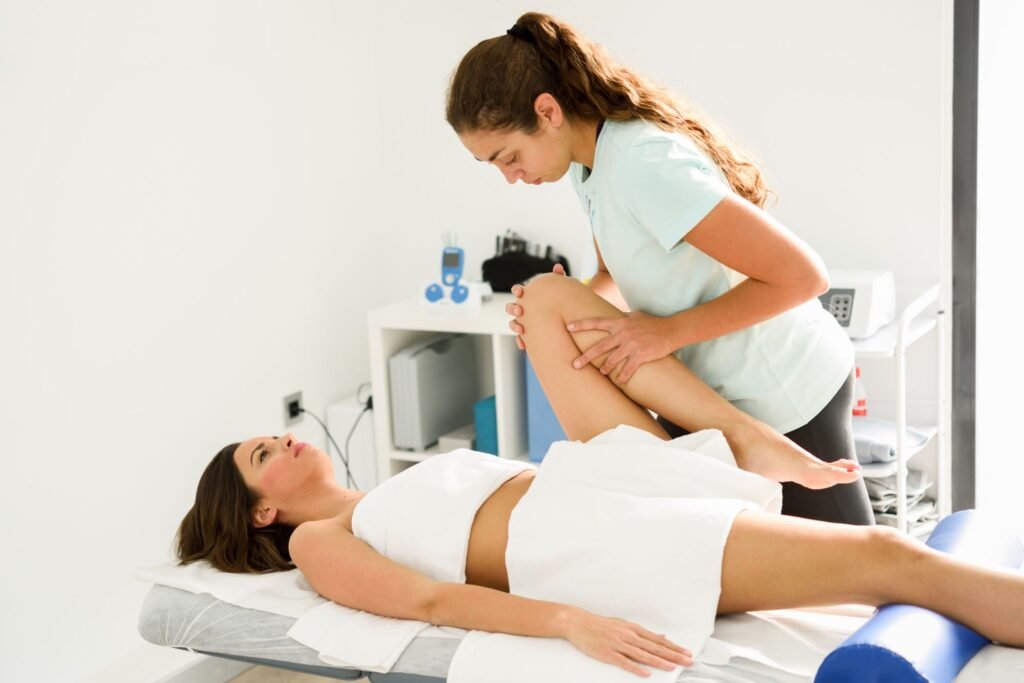
Women's Health Physiotherapy in Singapore
Women’s health physiotherapy supports women experiencing physical changes related to pregnancy, postpartum recovery, menopause, ageing, and pelvic health conditions. It is suitable for women dealing with concerns such as pelvic discomfort, urinary incontinence, lower back pain, abdominal muscle separation, and movement-related difficulties affecting daily life or exercise.
At Orchard Health Clinic, our women’s health physiotherapists in Singapore provide personalised care for conditions affecting the pelvic floor, abdomen, hips, and musculoskeletal system. Sessions are conducted in a private and supportive setting, with treatment tailored to each individual’s needs and stage of recovery.
What is Women’s Health Physiotherapy?
Women’s health physiotherapy is a specialised area of physiotherapy focused on conditions that affect women’s pelvic health, muscles, joints, and physical function across different stages of life. It involves the assessment and management of concerns related to pregnancy, postpartum recovery, pelvic floor function, menopause, and movement-related discomfort.
Treatment may include guided exercises, movement rehabilitation, pelvic floor therapy, posture correction, and education designed to support mobility, strength, comfort, and everyday function. Care is tailored according to each individual’s condition, symptoms, and recovery goals.
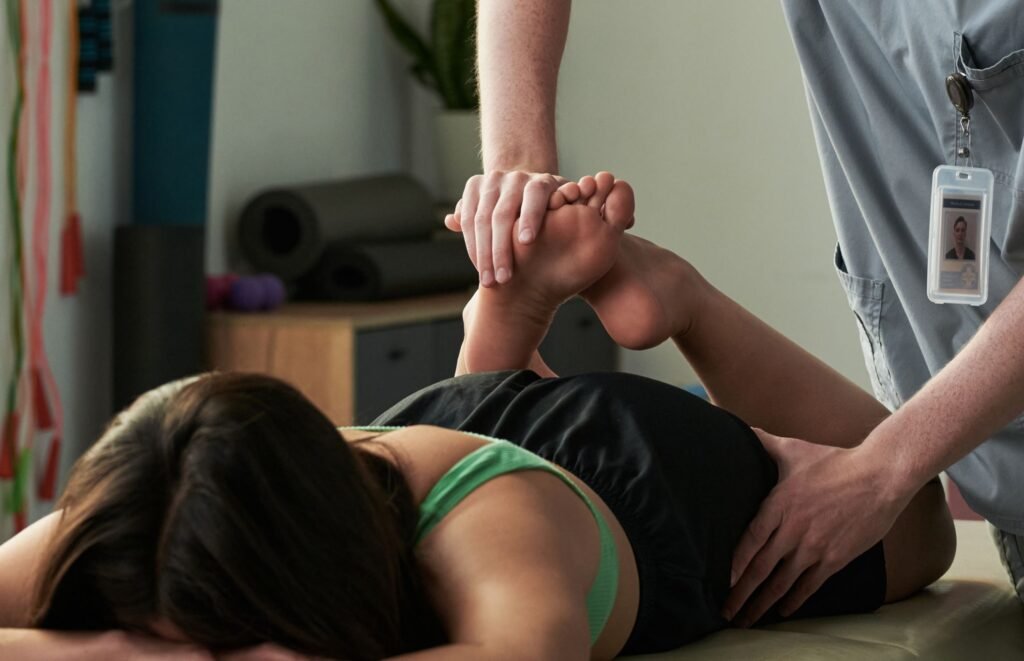
Why Many Women in Singapore Don't Seek Help and Why They Should
Studies indicate that urinary incontinence affects up to 41% of women in Singapore in pregnancy or menopause, yet the majority do not seek treatment. Here are signs you may benefit from women’s health physiotherapy:
Urinary Leakage During Daily Activities
Leaking urine during coughing, sneezing, laughing, exercise, or sudden movement may be linked to pelvic floor dysfunction or reduced pelvic support.
Pelvic Heaviness or Pressure
A sensation of heaviness, dragging, or pressure in the pelvic region may affect comfort during standing, walking, or physical activity.
Pregnancy-Related Pelvic, Hip, or Back Discomfort
Physical changes during pregnancy may place additional strain on the pelvis, hips, and lower back, leading to movement-related discomfort.
Pain or Discomfort During Intimacy
Some women may experience pelvic muscle tightness, sensitivity, or discomfort that affects intimacy and overall quality of life.
Difficulty with Bladder or Bowel Emptying
Challenges fully emptying the bladder or bowel may be associated with pelvic floor coordination or muscular dysfunction.
Abdominal Muscle Separation After Pregnancy
Diastasis recti may contribute to reduced abdominal support, postural changes, or feelings of core instability after childbirth.
Postnatal Back Pain or Reduced Core Stability
Weakness or reduced coordination in the abdominal and pelvic muscles following pregnancy may contribute to ongoing back discomfort or instability.
Persistent Pelvic Discomfort
Pelvic pain without a clear structural cause may affect sitting, movement, exercise, or daily activities.
Symptoms Associated with Perimenopause or Menopause
Hormonal and physical changes during perimenopause and menopause may contribute to pelvic floor symptoms, joint discomfort, or reduced physical function.
Women's Health Physiotherapy Across Every Stage of Life
Prenatal Physiotherapy
Pregnancy brings significant postural, hormonal, and structural changes that can cause discomfort long before delivery. Prenatal physiotherapy helps manage these changes and prepares the body for labour and recovery.
Postnatal Physiotherapy
The postnatal period is one of the most physically demanding transitions a woman’s body undergoes. Delivery, whether vaginal or by caesarean, places significant strain on the pelvic floor, abdominal wall, and supporting structures. Many women experience postnatal symptoms for months or even years without realising that physiotherapy can help.
For active women and athletes, pelvic floor health directly affects performance, comfort, and confidence. Leakage during running, jumping, or high-impact training is not something to train through; it is a sign that the pelvic floor needs support.
The hormonal changes of perimenopause and menopause affect pelvic floor muscle tone, bone density, joint mobility, and overall physical resilience. Many of the symptoms women associate with “getting older”, including bladder leakage, prolapse symptoms, joint stiffness, and reduced core strength, are directly amenable to physiotherapy.
Women's Health Conditions Treated at Orchard Health Clinic
We treat a comprehensive range of conditions affecting pelvic health, musculoskeletal function, and physical well-being across a woman’s lifetime.
Pelvic organ prolapse (POP)
Descent of the bladder, uterus, or rectum into the vaginal canal, often experienced as pelvic heaviness, pressure, or a sensation of something coming down. Physiotherapy supports symptom management through pelvic floor strengthening, lifestyle modification, and activity guidance.
Pelvic organ prolapse (POP)
Descent of the bladder, uterus, or rectum into the vaginal canal, often experienced as pelvic heaviness, pressure, or a sensation of something coming down. Physiotherapy supports symptom management through pelvic floor strengthening, lifestyle modification, and activity guidance.
Overactive bladder
Urgency, frequency, and nocturia are caused by poor bladder control or pelvic floor dysfunction. Bladder retraining and pelvic floor rehabilitation address the underlying muscle and behavioural contributors.
Overactive bladder
Urgency, frequency, and nocturia are caused by poor bladder control or pelvic floor dysfunction. Bladder retraining and pelvic floor rehabilitation address the underlying muscle and behavioural contributors.
Prenatal back pain
Lower back and thoracic pain arising from postural changes and the mechanical demands of a growing pregnancy.
Prenatal back pain
Lower back and thoracic pain arising from postural changes and the mechanical demands of a growing pregnancy.
Round ligament pain
Sharp groin or lower abdominal pain caused by stretching of the round ligaments supporting the uterus.
Round ligament pain
Sharp groin or lower abdominal pain caused by stretching of the round ligaments supporting the uterus.
Diastasis recti (abdominal separation)
Separation of the rectus abdominis muscles along the linea alba, resulting in a gap between the muscles that can cause core weakness, lower back pain, and visible abdominal bulging. Physiotherapy assessment identifies the degree of separation and guides a safe, progressive rehabilitation programme.
Diastasis recti (abdominal separation)
Separation of the rectus abdominis muscles along the linea alba, resulting in a gap between the muscles that can cause core weakness, lower back pain, and visible abdominal bulging. Physiotherapy assessment identifies the degree of separation and guides a safe, progressive rehabilitation programme.
Urinary incontinence
Pelvic floor weakness following delivery is causing leakage during everyday activities.
Urinary incontinence
Pelvic floor weakness following delivery is causing leakage during everyday activities.
Pelvic girdle pain
Ongoing sacroiliac or pubic symphysis pain following delivery, which can persist for months without treatment.
Pelvic girdle pain
Ongoing sacroiliac or pubic symphysis pain following delivery, which can persist for months without treatment.
C-section scar management
Scar tissue from a caesarean section can cause restricted movement, pain, hypersensitivity, or tethering. Scar massage and manual therapy techniques address these issues from approximately eight weeks post-surgery.
C-section scar management
Scar tissue from a caesarean section can cause restricted movement, pain, hypersensitivity, or tethering. Scar massage and manual therapy techniques address these issues from approximately eight weeks post-surgery.
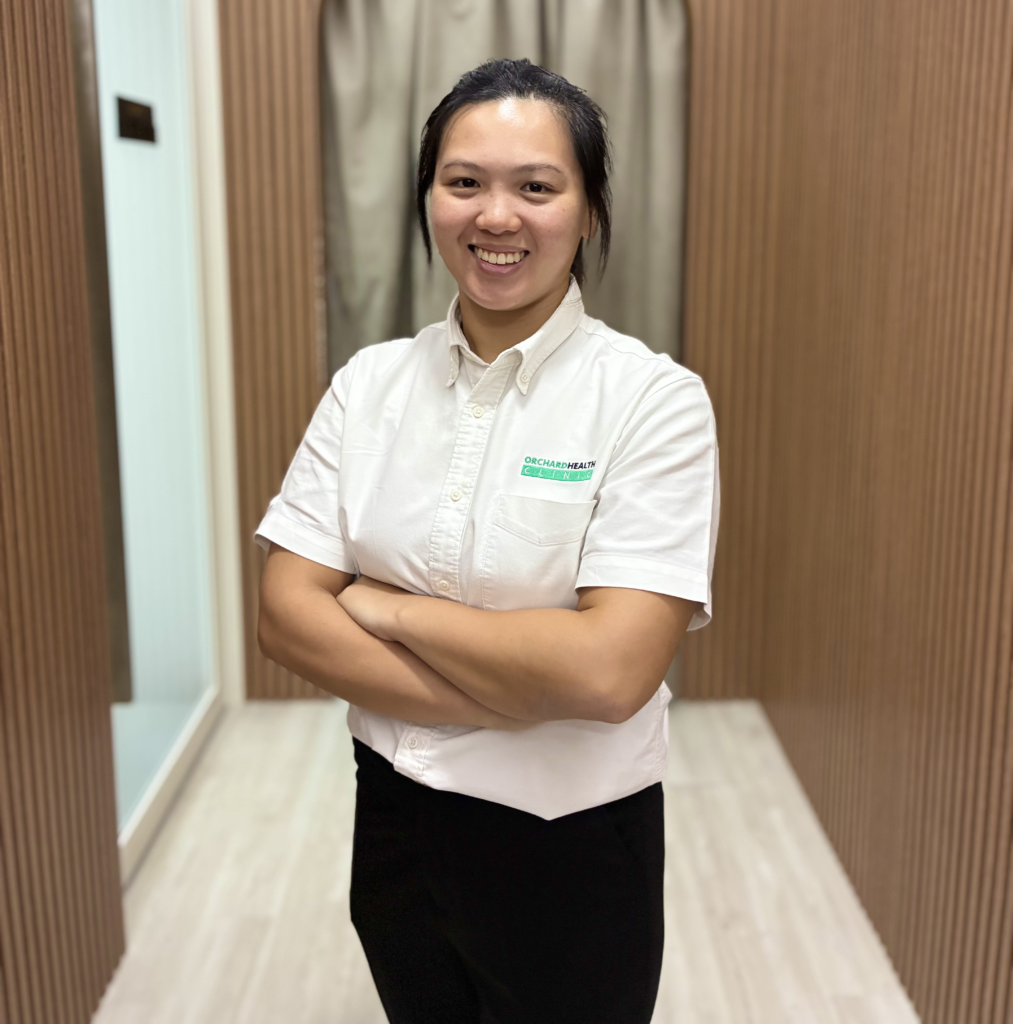
Meet Our Women's Health Physiotherapist
Lee Min Jee is a Physiotherapist with experience across acute hospital and community healthcare settings in Singapore. She holds a Bachelor of Science (Honours) in Physiotherapy from the Singapore Institute of Technology in collaboration with Trinity College Dublin, and provides evidence-based, patient-centred care focused on recovery, movement, and functional well-being.
Min Jee has experience treating a wide range of conditions including musculoskeletal pain, sports injuries, stroke rehabilitation, post-surgical recovery, mobility limitations, and neurological conditions. Her approach combines manual therapy, rehabilitation exercises, movement retraining, and patient education to support long-term recovery and improved physical function.
Known for her calm and supportive approach, Min Jee works closely with patients to understand their goals and guide them through each stage of rehabilitation with personalised care.
What Our Customers Say
EXCELLENT Based on 306 reviews
 Posted on Google
 yewboon liowMartin John went the extra mile to work with my fitness trainer. He was very detailed in the exercises that would help improve my condition that even my trainer was impressed, saying that this is the first time he’d come across such a thorough osteopath. Martin’s positive and reassuring approach gives me the confidence and motivation to work towards better health and habits.Posted on Google
 Glenn KohI’ve had a fantastic experience here! The entire team is warm, welcoming, and truly dedicated to their clients' well-being. The treatment and care provided are top-notch, and you can really tell how much they care about helping you make real progress. Highly recommend to anyone looking for skilled professionals and exceptional care! For me if was back and shoulder related pains.Posted on Google
 Pin Lay ChiExcellent service by the therapists when I visited last month. I was given advice on my posture, areas to improve and also physiotheraphy to improve my range of movement on my knees and also right shoulder! I like the spaciousness of the rooms and the exercises recommended by the physiotherapist to improve my mobility and ability. They took time to understand my concerns and gave me advice on exercises I did on my own as well!Posted on Google
 Malaika MorrisonMona is life changing and the front desk ladies are the best!Posted on Google
 Shireen NgMinJee is very skillful, helpful, kind and professional in her job. Love my physio session.Posted on Google
 PlanetLightWorkerHad my session with Min Jee. She is amiable, easy to engage and superb with her delivery. 100% recommended. Thank you very much Min Jee for your service and thank you to Orchard Health Clinic!Posted on Google
 Patricia WongGood, professional therapists. Would recommend.Posted on Google
 Lynne ZayneI had a very positive experience at Orchard Health Clinic. The staff were warm, welcoming, and professional from the moment I arrived. My therapist, Mona, took the time to listen carefully to my concerns, explained everything clearly, and made me feel comfortable throughout each session. The clinic was clean, well-organised, and appointments were managed efficiently with minimal waiting time. I genuinely appreciated the high standard of care and would happily recommend Orchard Health Clinic to anyone looking for attentive and compassionate therapy in Singapore.Posted on Google
 Victoria LamMy physiotherapist, Min Jee, was very attuned to my needs and fantastic at identifying the problem areas causing my pain. She also delivered a soft tissue release massage that really helped loosen my tight muscles and increase my mobility. Great service staff as well. Will definitely be back!
FAQs about Women’s Health Physiotherapy in Singapore
What conditions can women’s health physiotherapy help with?
Physiotherapy may help manage conditions related to pelvic floor dysfunction, pregnancy-related discomfort, postnatal recovery, urinary incontinence, pelvic pain, abdominal separation, and movement-related issues associated with menopause or ageing.
Is women’s health physiotherapy only for pregnant or postpartum women?
No. Women’s physiotherapy supports women across different stages of life, including those experiencing pelvic floor concerns, musculoskeletal discomfort, or age-related physical changes unrelated to pregnancy.
What happens during a women’s health physiotherapy session?
Sessions typically involve a discussion about symptoms, medical history, movement patterns, and physical concerns, followed by a personalised assessment and treatment plan based on the individual’s condition and goals.
Can women’s health physiotherapy help with urinary leakage?
Physiotherapy may help manage conditions related to pelvic floor dysfunction, pregnancy-related discomfort, postnatal recovery, urinary incontinence, pelvic pain, abdominal separation, and movement-related issues associated with menopause or ageing.
When should I consider seeing a women’s health physiotherapist?
You may consider seeking assessment if symptoms such as pelvic discomfort, urinary concerns, pregnancy-related pain, postnatal instability, or persistent movement difficulties begin affecting your comfort, mobility, or daily activities.
 Orchard Health Clinic